

For someone struggling to afford groceries in Missoula, one of the most important things to know about Missoula Food Bank & Community Center is simple: you do not have to prove that you are poor enough to ask for help.
There are no income limits or eligibility requirements to shop at the organization’s main food store. No identification is required. People complete a short intake form, and households can generally shop once per calendar week.
But food distribution is only one part of what happens at the organization’s 1720 Wyoming Street facility and through its programs across Missoula County.
Missoula Food Bank & Community Center combines a choice-based food pantry with rural food distribution, programs for children and families, community-resource navigation, housing assistance partnerships, nutrition support and opportunities for people to connect, learn and volunteer.
Its mission is to “lead the movement to end hunger through advocacy, volunteerism and healthy food for all.”
Here is what the organization offers and how Missoula-area residents can use it.
Start here: Free groceries in Missoula
The core service is the food bank’s choice-model Store at 1720 Wyoming Street.
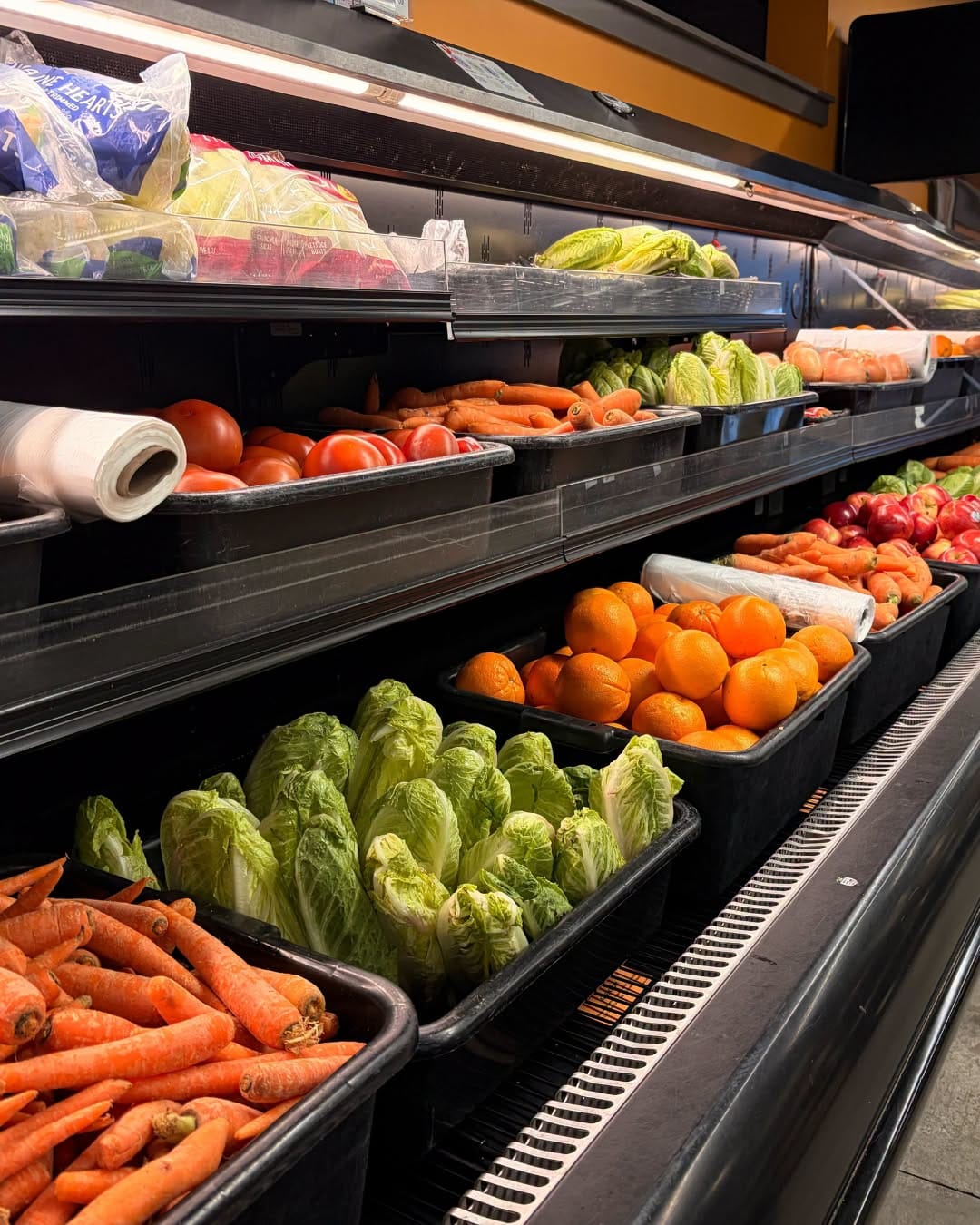
Rather than receiving a predetermined box of groceries, customers can select food based on their household’s needs and preferences.
Anyone who needs food assistance can use the Store. The organization says there are no income limits or other eligibility requirements, and customers do not need to bring identification. A short intake form is completed when visiting.
Customers can generally shop once each calendar week.
The food bank distributes a mix of shelf-stable and perishable foods, including fresh produce and other groceries purchased wholesale or obtained through donations.
Current food-distribution hours and any holiday closures should be confirmed before visiting.
Food assistance reaches beyond central Missoula
Missoula Food Bank & Community Center also operates or supports food-distribution sites outside its main Wyoming Street location, helping make groceries more accessible to people who may face transportation or distance barriers.
In 2026, free food distributions are scheduled in Bonner, Clinton and Lolo on the first and third Wednesdays of each month from 4 to 6 p.m.
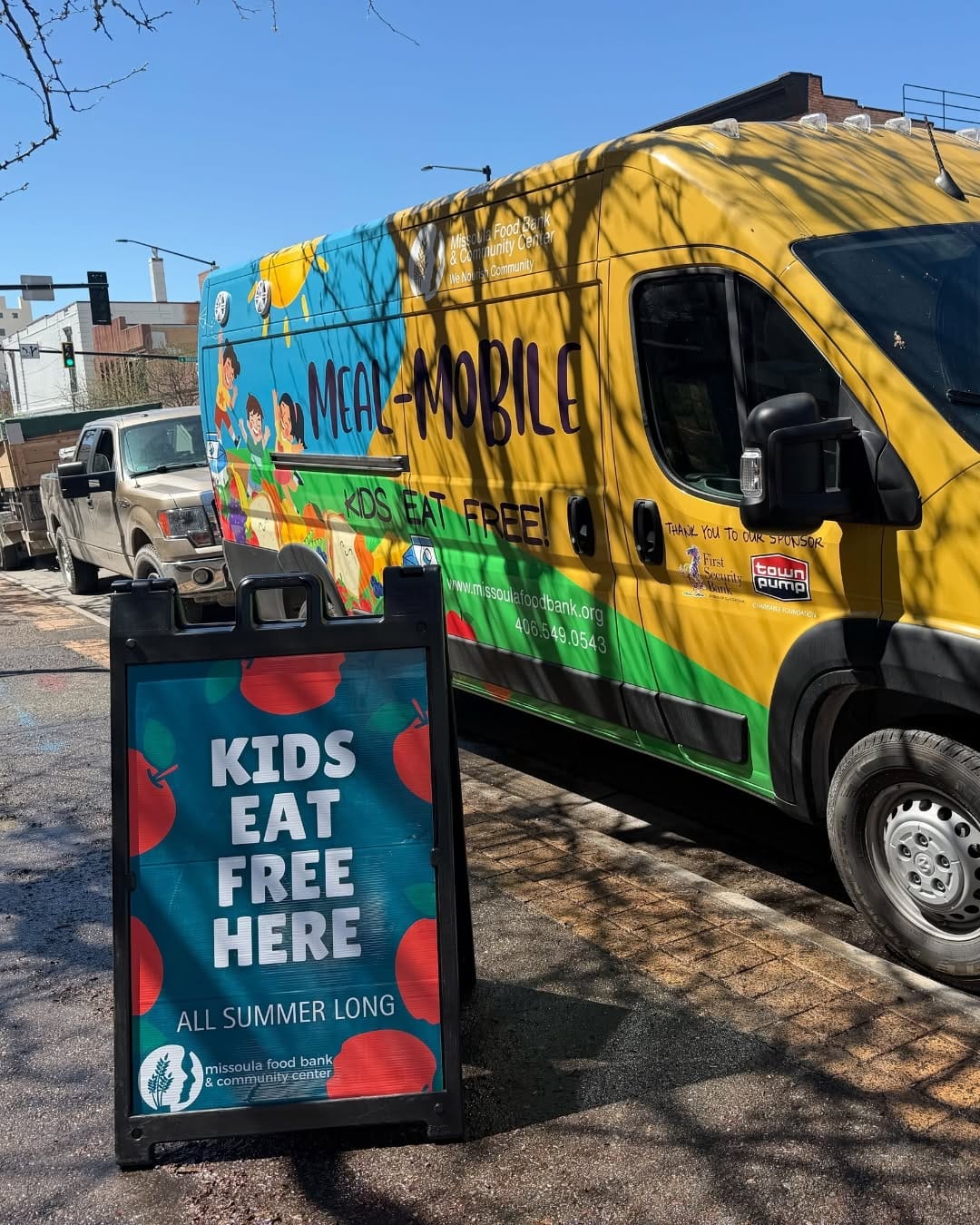
Customers check in with a volunteer and can receive shelf-stable and perishable groceries. No identification is required.
The organization also operates school-based markets, including Market at Lowell and Market at Russell, when school is in session.
Together, the main Store, rural distribution sites and specialized programs create a broader food-access network rather than relying on a single central pantry.
A community center built around more than food
The words “Community Center” in the organization’s name are significant.
The Wyoming Street facility is designed not only as a place to pick up groceries but also as a location where people can connect with other forms of assistance.
People visiting the food bank can meet with trained volunteers who help identify community resources related to needs such as:
- Housing
- Employment
- Education
- Health care
- Food
- Child care
- Clothing
The organization maintains a Community Resource Guide covering programs to which visitors are frequently referred.
That makes the food bank a potential starting point for someone who knows they need help but may not know which Missoula organization or public program to contact first.
Housing help is available on site
Housing instability and food insecurity often overlap, particularly when rising rent or an unexpected expense forces a household to choose which bills it can afford.
Through a partnership with the Housing Advocate Network, the food bank offers drop-in housing support for individuals and families experiencing homelessness or at risk of losing housing.
Housing advocates can work one-on-one with people on practical tasks such as getting onto subsidized or affordable-housing waitlists, searching and applying for housing, identifying rental assistance and navigating other housing resources.
For someone facing multiple challenges at once, having housing navigation available in the same place they already visit for groceries can reduce the number of agencies and systems they must navigate independently.
WIC support for women, infants and children
The Missoula County Women, Infants and Children program, or WIC, also provides on-site support at Missoula Food Bank & Community Center.
WIC provides eligible families with services that can include monthly food benefits, nutrition education, breastfeeding support and referrals to other community resources.
WIC representatives are available on site Mondays and Thursdays from 9 a.m. to 5 p.m.
Families interested in WIC should confirm current hours and eligibility requirements with the program before visiting.
EmPower Place supports children and families
One of the organization’s distinctive programs is EmPower Place, a family learning center located within Missoula Food Bank & Community Center.
The program brings together food access, learning and family support in a setting designed for children and caregivers.
Its presence reflects a broader approach to food insecurity: helping families access groceries is important, but household stability can also depend on opportunities for children, education, social connection and access to other community resources.
For families already visiting the food bank, locating these services together can make support easier to access.
A kitchen, classroom and garden create space for learning
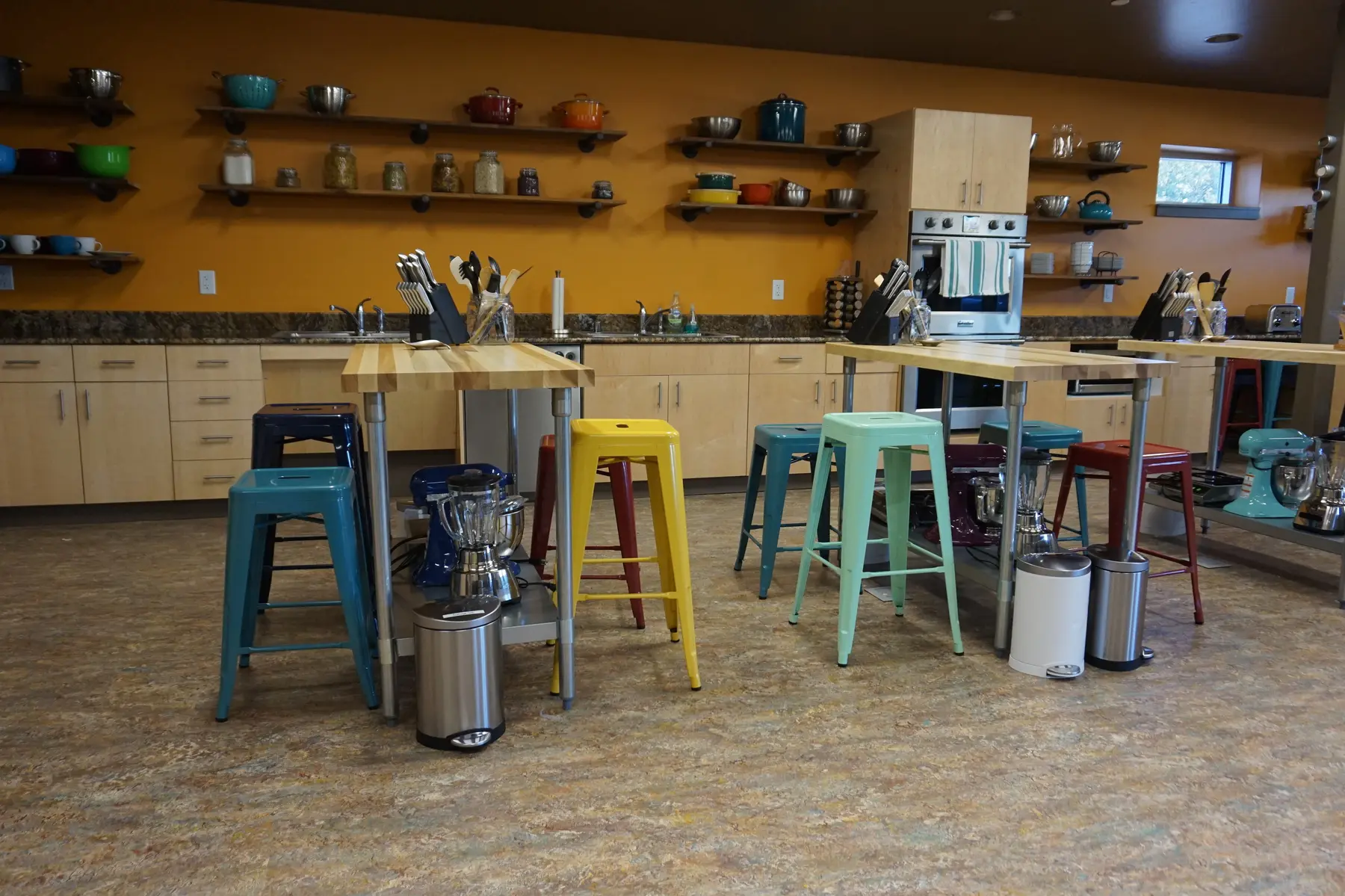
Missoula Food Bank & Community Center also includes a Learning Kitchen and Classroom, creating space for food education and community programming.
Outside, the Missoula Roots Garden produces fruits, vegetables and herbs during the growing season for customers using the Store.
The garden is also open to community members, who are welcome to enjoy the space and harvest what is growing from sunup to sundown, according to the organization.
These programs expand the food bank’s role beyond emergency groceries toward nutrition, food skills and community participation.
How many people does the organization serve?
Missoula Food Bank & Community Center says its food-access network has served approximately one in five people in Missoula County, including nearly 25,000 individuals and 7,500 households, through its choice-model Store, rural satellite pantries and programs serving children and older adults.
People seeking food assistance can include working households, families with children, older adults on fixed incomes and people dealing with temporary financial shocks such as medical expenses, reduced work hours, housing costs or an unexpected emergency.
The organization’s no-income-limit model is designed to keep the decision simple: if someone needs food, they can seek help.
Need food? Here’s what to know
Missoula Food Bank & Community Center
1720 Wyoming Street, Missoula
Who can use the food bank?
Anyone who needs food assistance. The organization does not impose an income limit for shopping at its Store.
Do I need identification?
No. Customers complete a short intake form.
How often can I get groceries?
Generally once per calendar week at the main Store.
Does it cost anything?
No. Food assistance is free.
Are services available outside Missoula?
Yes. The organization provides scheduled food distributions in communities including Bonner, Clinton and Lolo, along with school-based markets.
Because schedules can change, check current distribution hours before making a trip.
Want to help? There are several ways to participate
Missoula Food Bank & Community Center depends on community participation as well as financial and food donations.
Residents can volunteer individually or as a group, with opportunities connected to food distribution and other organizational needs. The organization also accommodates some community-service and qualifying service-hour arrangements.
Food donations can be dropped off at the Wyoming Street facility during designated receiving hours. Financial contributions help the organization purchase food wholesale and support its programs.
People interested in volunteering should complete the organization’s volunteer application and review current opportunities before arriving.
For current food-distribution schedules, programs, volunteer opportunities or ways to contribute, visit the official Missoula Food Bank & Community Center website or call 406-549-0543.


